mozgi
Claude Opus 5.5
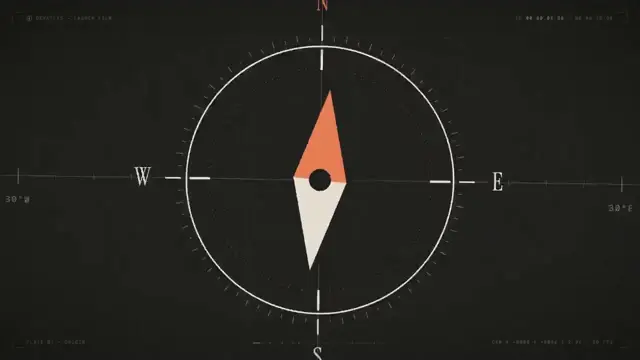
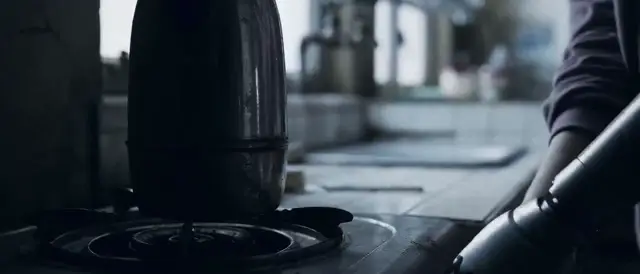
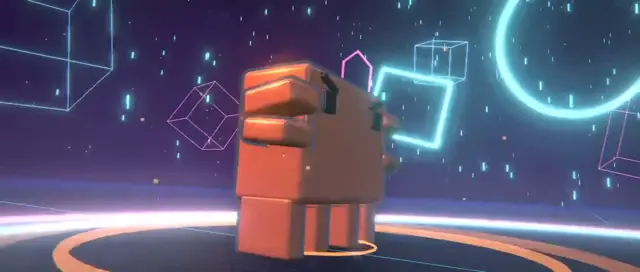
Футуристичный интерфейс с элементами киберпанка и данными в стиле HUD
Промпт
Я прикрепил песню, возможно, вместе с ее оригинальным видео, исходным кодом или ссылкой на релиз. Пожалуйста, самостоятельно и комплексно создайте совершенно новое, первоклассное музыкальное видео для нее. Используйте аудиодорожку точно так же, как в оригинале, без каких-либо изменений. Стиль, сцены, персонажи, ракурсы и композиция — все на ваше усмотрение. Я не буду говорить вам, как это должно выглядеть, и не буду давать никаких стилевых терминов. Вам нужно найти, продумать и проверить все самостоятельно. Оригинальное видео — это лишь отправная точка; вам не нужно к нему привязываться, его можно сделать намного лучше.
Сначала разберитесь в песне. Подтвердите источники аудио и всех материалов, полностью прочитайте весь текст; если есть оригинальное видео, раскадровка или исходный код, просмотрите все. Ответьте себе на следующие вопросы: О чем на самом деле эта песня, что скрывается за поверхностным смыслом, как ее эмоции нарастают и спадают, как она структурирована по сегментам и где тот момент, который она больше всего хочет запомнить? Затем отметьте каждый куплет, припев, бридж и каждый бит-дроп, кульминацию, звукоподражание, указав точную секунду их наступления, и превратите это в временную шкалу. Все последующие визуальные эффекты, текст и ритм будут использовать это как скелет.
Затем проведите собственное исследование. Максимально используйте доступные вам инструменты: веб-поиск, веб-скрейпинг, чтение моей библиотеки материалов и существующих работ, изучение моделей генерации изображений/видео/аудио, к которым у вас есть доступ, и их инструкций по использованию. Исследуйте то, что действительно имеет отношение к теме, настроению и аудитории песни, например, выдающиеся музыкальные клипы, моду, фильмы, рекламные и художественные визуальные эффекты, моушн-дизайн и типографику, текущие эстетические тренды в социальных сетях, а также темы, обсуждения и мемы конкретной эпохи, связанные с основным посланием песни. Найдя конкретные работы и визуальные эффекты, разберите их самостоятельно: почему они хороши — как они привлекают внимание в начале, как манипулируют эмоциями с помощью композиции, освещения, цвета, ритма и текста, как они создают моменты, которыми можно поделиться. Организуйте выводы своих исследований в собственные стилевые термины и принципы дизайна и запишите их. Вы заимствуете метод, а не копируете визуальные эффекты напрямую.
Затем примите независимые решения. На основе исследования предложите два-три совершенно разных, по-настоящему убедительных творческих направления. Для каждого четко изложите его основную концепцию, визуальный язык и почему оно наиболее подходит для этой песни и этой аудитории. Критически сравните: какое из них наиболее соответствует теме, какое самое свежее, какое может достичь самого высокого качества в рамках ваших текущих возможностей модели, какое окажет наибольшее воздействие в социальных сетях? Выберите одно или объедините их в одно. Затем запишите эстетические границы для него: какую атмосферу должно иметь это произведение, какие дешевые, безвкусные или «AI-шные» качества оно легко приобретает, какие элементы испортят все, если появятся. После этого проверяйте каждую сцену и каждый кадр на соответствие этим границам. Сдержанность не должна жертвовать ритмом: когда в тексте есть бит-дропы, звукоподражания или попадания в припев, визуальные эффекты должны соответствовать.
Оцените свои возможности. Честно оцените, что могут и чего не могут делать имеющиеся инструменты, какие эффекты передать моделям изображений, какие моделям видео, какие нарисовать самостоятельно с помощью JavaScript-анимации и как их комбинировать, чтобы использовать сильные стороны и избежать слабых. Стройте стиль на основе «реализуемости и пригодности для этих моделей», а не только теоретических рассуждений. Ваши возможности, вероятно, превосходят то, что вы думаете — проектируйте с таким мышлением, оставаясь при этом трезвомыслящим относительно рисков.
Установите визуальные основы. Сначала используйте генерацию изображений для создания библии стиля: ключевые кадры, а также концепт-арты для главных и второстепенных персонажей, фиксируя лица, прически, одежду, материалы, а также цветовую палитру и язык освещения мира. Передавайте их в качестве референсов в каждый видеосегмент впоследствии, чтобы обеспечить единообразие персонажей и стиля во всем произведении. Как и в стандартном MV, включите вставки без персонажей; главные герои могут делать совершенно разные вещи в сертификатах
I've attached a song, possibly along with its original video, source code, or release link. Please independently and end-to-end create a brand-new, top-tier music video for it. Use the audio track exactly as in the original, without any changes. Style, scenes, characters, shots, and layout are all up to you to decide. I won't tell you what it should look like, nor will I give you style terms. You need to find, think, and verify everything yourself. The original video is just a starting point—you don't need to anchor to it; it can be made far stronger.
First, understand the song. Confirm the sources of the audio and all materials, read all the lyrics completely; if there's an original video, storyboard, or source code, review it all. Answer these questions yourself: What is this song really about, what's beneath the surface meaning, how does its emotion rise and fall, how is its structure segmented, and where is the moment it most wants to be remembered? Then mark out every verse, chorus, bridge, and each beat drop, climax, onomatopoeia, noting the exact second they land, and turn it into a timeline. All subsequent visuals, text, and rhythm will use this as the skeleton.
Next, do your own research. Make full use of the tools at your disposal: web searches, web scraping, reading my material library and existing works, reviewing the image/video/audio generation models you can access and their usage instructions. Research things truly relevant to the song's theme, mood, and audience, such as outstanding music videos, fashion, film, advertising and art visuals, motion design and typography, current aesthetic trends on social media, and era-specific topics, discussions, and memes related to the song's core message. After finding specific works and visuals, break them down yourself: why they're good—how they grab attention at the start, how they manipulate emotions with composition, lighting, color, rhythm, and text, how they create shareable moments. Organize your research conclusions into your own style terms and design principles, and write them down. What you're borrowing is the method, not copying the visuals outright.
Then, make independent judgments. Based on the research, propose two or three distinctly different, genuinely compelling creative directions. For each, clearly state its core concept, visual language, and why it's the most suitable for this song and this audience. Critically compare: Which is most on-theme, which is freshest, which can achieve the highest quality within your current model capabilities, which would hit hardest on social media? Pick one, or fuse them into one. Then write down an aesthetic boundary for it: What vibe should this piece have, what cheap, tacky, or "AI-flavored" qualities it most easily slips into, which elements would ruin the whole if they appear. Check every scene and every frame against this boundary afterward. Restraint must not sacrifice rhythm: When there are beat drops, onomatopoeia, or chorus hits in the lyrics, the visuals must deliver.
Assess your own capabilities. Honestly judge what the tools at hand can and can't do, which effects to hand to image models, which to video models, which to draw yourself with JavaScript animations, and how to combine them to play to strengths and avoid weaknesses. Build the style on a foundation of "feasible and well-suited to these models," not just theoretical talk. Your capabilities likely exceed what you think—design with that mindset, while staying clear-eyed about risks.
Establish visual foundations. Use image generation first to create a style bible: key frames, plus concept art for leads and supporting characters, fixing faces, hairstyles, clothing, materials, and the world's color and lighting language. Pass them as references into every video segment afterward to ensure consistent characters and style across the whole. Like a standard MV, include insert shots without characters; leads can do entirely different things in certain sections. The world-building should grow from the song's core theme, translating era moods and memes into visual metaphors that audiences can grasp yet find intriguingly meaningful.
Generate video materials. Cut segments by song structure, each no longer than the model's single-segment limit, with start/end times strictly aligned to the audio timeline, each with clear corresponding lyrics and beats. Write prompts for each segment specifying subject, action, shot, the role of each reference image, unified style, and negative constraints; use only one primary camera movement per segment. If lip-sync is needed, research if the model can reference audio and verify timing precision. Don't render text in the video footage—let the original track handle sound. Review each generated segment; if any fall short, replace only that one, keep the old version for comparison and rollback.
Assemble the film with overlays. All text, data, and embellishments via JavaScript/HTML overlays. Derive the overlays' texture, UI language, and decorative elements from your style—they should be integral to the film's visuals. You can even use JavaScript to redraw entire frames over the video, treating generated materials as raw footage. Turn lyrics into standout motion graphics, planned in composition from the start: Where they need to be big and commanding, where subtitle-quiet. For the opening visual hook, make lyrics more prominent. When lyrics are large, simplify the background and shift characters to one side. Decorative elements must tie to the current lyrics or story beat, keep on-screen count restrained, and avoid repeating the same one. If it looks cluttered, cut it.
Capture and hold attention. The first few seconds need a strong visual hook to make people stop immediately. Follow with changes in visuals, text rhythm, and narrative suspense to sustain it. End with closure or a twist that makes people want to rewatch and share.
Strict verification. The playback page must be stable: Use audio as the master clock, preload and buffer video in the background, handle stuttering and drift, provide chapter jumps, overlay toggles, fullscreen, and debug info. Build a verification loop: Play through fully multiple times, screenshot at key timestamps, check segment-by-segment if lyrics, beats, and visuals sync, confirm no stutters, black frames, character drift, or style breaks. If unsatisfied, iterate back. If assembled elements feel jarring, it's often from insufficient upfront planning—so be extremely rigorous with composition and timing.
Delivery. Finally, deliver three things: A playable full MV page, each independent video segment, and a bilingual Chinese-English creation document. The document includes your research conclusions, selected direction and rationale, global style, character designs, negative constraints, and per-segment prompts. Before public release, remind me to confirm music licensing. Budget as you see fit: Invest aggressively where it counts, but stay economical. The goal is a social media breakout hit; the advanced goal is something unprecedented, better than anyone's ever done. Don't mess up.
- Нужно своё фото: прикрепите изображение к запросу — промпт работает с ним.
Права на промпт принадлежат автору @stark_nico99. За коммерческое использование — продвижение нейросетей, агрегаторов, Telegram-ботов — отвечаете вы: mozgi.io ответственности не несёт. Подробнее →